The Three "Killers" of Modern Washing Machines
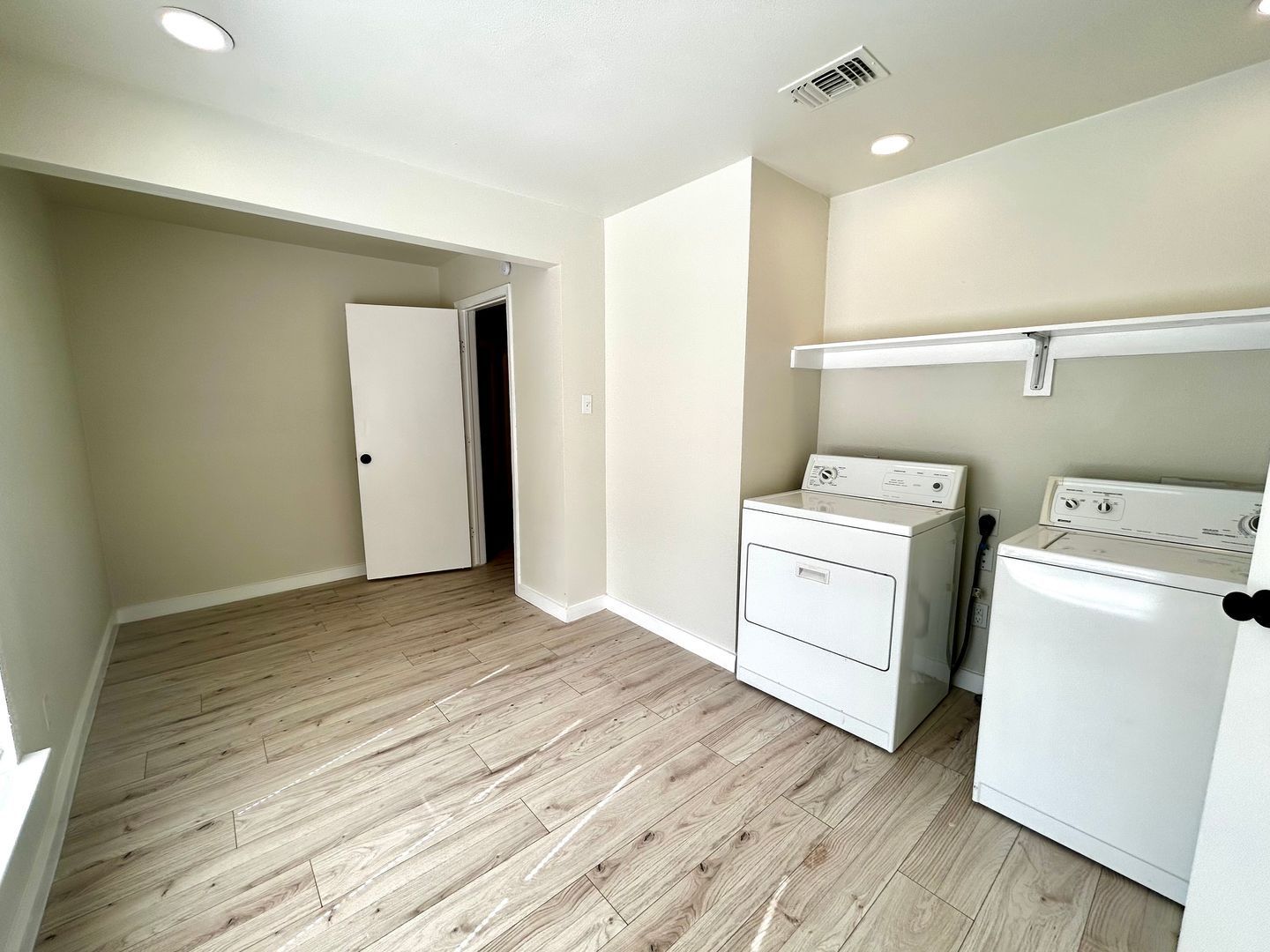
In 1985, the average washing machine lasted 25 years. Today, that lifespan has plummeted to between 7 and 10 years—and it’s still falling [00:55]. If you’ve ever had a repairman tell you to "just buy a new one" for a three-year-old machine, you aren't just hearing an opinion; you’re witnessing the result of intentional design choices known as planned obsolescence.
For property managers and homeowners alike, understanding these "repairman secrets" is the difference between a one-time investment and a recurring $900 headache.
The Three "Killers" of Modern Washing Machines
The video highlights three specific engineering choices that guarantee your machine will end up in a landfill sooner rather than later:
- The Sealed Tub (Plastic Welding): In older machines, the drum bearing—a $20 part—was easily replaceable. Modern brands like Samsung, LG, and Whirlpool now "plastic weld" the bearing directly into the outer tub [02:50]. When the bearing inevitably fails, you can’t replace just the part; you must replace the entire tub assembly for roughly $700.
- Discontinued "Brains": Modern machines rely on motherboards often placed in high-moisture areas [04:33]. When these boards fail, manufacturers often stop producing the specific part just 5–7 years after the model is discontinued, rendering a physically perfect machine useless [05:31].
- The Front-Loader Trap: While marketed as efficient, the horizontal orientation of front-loaders fights gravity. A wet 20lb load pulls sideways against the bearings, causing them to wear out significantly faster than in traditional top-loaders [07:02].
The "Repairman’s Secret" List: 5 Machines That Actually Last
If you are looking for units that prioritize serviceability over "smart" features, these five models are the gold standard for durability:
- 1. Speed Queen TC5: Built in Wisconsin, this is the only American-made machine still in mass production with a steel outer tub and a replaceable bearing housing [08:20].
- 2. Maytag MVWP576KW: Features a direct-drive motor and a heavy porcelain tub designed not to flex or crack under heavy loads [08:47].
- 3. LG WT73000CW: A rare "modern" win. The motor carries a 10-year warranty, and the control board is strategically positioned away from the steam path [09:04].
- 4. Unimac Residential (Alliance Laundry Systems): Built to laundromat standards and tested for 10,000 cycles, this is an all-metal, fully serviceable powerhouse [09:27].
- 5. Speed Queen FF7: Proof that a front-loader doesn't have to be a trap. It features a bolted bearing housing and a stainless steel drum [09:38].
Pro-Tips for Property Managers
- Check the Tub Part: Before buying, search the model number and "outer tub part." If the bearing isn't sold separately from the tub, the machine is designed to be disposable [10:08].
- Avoid "Smart" Features: The more decisions a machine makes for itself (Wi-Fi, touchscreens), the more ways it has to fail. Stick to mechanical or simple electronic interfaces [11:09].
- Don't "Upgrade" Old Units: If you have a machine over 10 years old that is still running, do not replace it. The reliability of those older components is worth more than any modern energy-saving feature [10:30].
The Bottom Line: You aren't just buying a washing machine; you’re buying a repair relationship. Choose a machine that a technician can actually fix [11:44].
For more management and maintenance insights, visit www.ManageProteam.com. Watch the full video here: https://www.youtube.com/watch?v=IgKTJDmYwjk